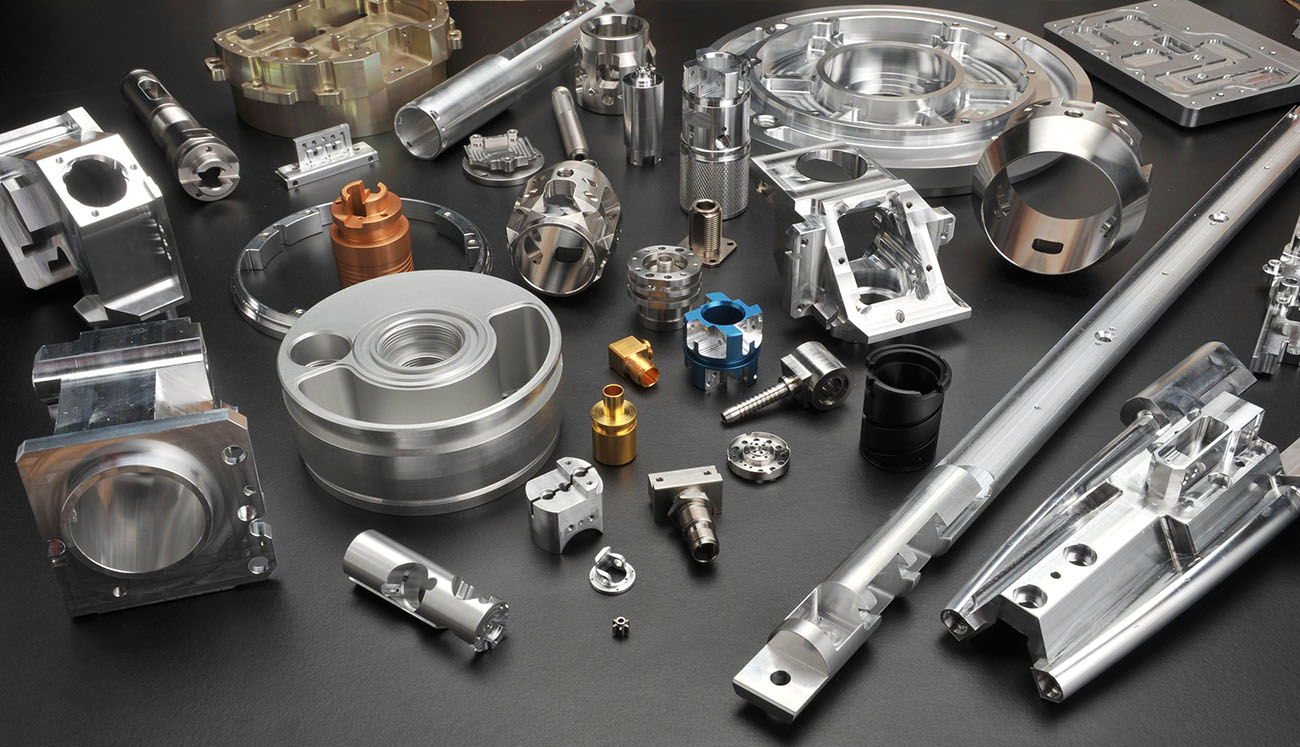
CNC Precision Machining Process and Market Overview
Introduction
Manufacturing Engineering has evolved rapidly with the rise of CNC (Computer Numerical Control) precision machining. CNC precision machining is a manufacturing process that uses computerized controls and automated machine tools to create highly accurate and repeatable parts from metals, plastics, composites, and specialty materials. This process has become essential in industries such as aerospace, automotive, medical devices, electronics, and energy because it enables the production of complex geometries with extremely tight tolerances.
The global precision machining market is experiencing significant growth due to increasing demand for automation, lightweight materials, electric vehicles, and advanced industrial manufacturing. Modern CNC systems now integrate artificial intelligence, robotics, and Industry 4.0 technologies to improve productivity and reduce operational costs.
Understanding CNC Precision Machining
What is CNC Precision Machining?
CNC precision machining is a subtractive manufacturing process where material is removed from a workpiece using computer-controlled cutting tools. The machine follows programmed instructions, typically written in G-code, to achieve precise dimensions and surface finishes.
The process is widely used for manufacturing:
- Engine components
- Aerospace turbine parts
- Medical implants
- Electronic housings
- Industrial machinery components
- Custom prototypes
Modern CNC machining centers can operate continuously with minimal human intervention while maintaining exceptional consistency and repeatability.
CNC Precision Machining Process
1. CAD Design
The process begins with a digital model created using CAD (Computer-Aided Design) software. Engineers design the component in 2D or 3D while specifying dimensions, tolerances, and material requirements.
Common CAD software includes:
- AutoCAD
- SolidWorks
- CATIA
- Fusion 360
The CAD file serves as the blueprint for manufacturing.
2. CAM Programming
After design completion, CAM (Computer-Aided Manufacturing) software converts the CAD model into machining instructions.
The CAM system generates:
- Toolpaths
- Cutting speeds
- Feed rates
- Tool selection
- Machining sequence
These instructions are translated into G-code, which controls machine movement.
3. Material Selection
Material choice depends on the application requirements. Common machining materials include:
| Material Type | Examples | Applications |
|---|---|---|
| Metals | Aluminum, steel, titanium | Aerospace, automotive |
| Plastics | ABS, PEEK, nylon | Medical, electronics |
| Composites | Carbon fiber | High-performance industries |
Advanced materials such as titanium alloys and composites are increasingly used because of their strength-to-weight advantages.
4. Machine Setup
Operators prepare the CNC machine by:
- Installing cutting tools
- Securing the workpiece
- Loading the program
- Setting machine coordinates
- Performing calibration
Proper setup is critical for achieving precision and minimizing errors.
5. Machining Operations
Several machining techniques are used depending on the component geometry.
CNC Milling
CNC milling uses rotating cutting tools to remove material from a stationary workpiece. It is highly versatile and dominates the precision machining market because it can create complex shapes and multiple features in a single setup.
CNC Turning
In CNC turning, the workpiece rotates while a stationary cutting tool shapes the material. This process is ideal for cylindrical parts such as shafts and bushings.
Drilling
Drilling operations create accurate holes with precise depths and diameters.
Grinding
Grinding is used for ultra-fine surface finishing and tight tolerances.
Multi-Axis Machining
Advanced 5-axis CNC systems can move simultaneously along multiple axes, allowing manufacturers to produce highly intricate parts efficiently.
6. Inspection and Quality Control
Quality assurance is essential in precision machining. Components are inspected using:
- Coordinate Measuring Machines (CMM)
- Laser scanners
- Digital micrometers
- Optical inspection systems
Many manufacturers now use AI-assisted inspection systems and real-time monitoring to reduce defects and improve consistency.
Advantages of CNC Precision Machining
High Accuracy
CNC machines can achieve tolerances as tight as ±0.001 mm in some applications.
Repeatability
The same part can be reproduced thousands of times with consistent quality.
Increased Productivity
Automation enables 24/7 production with minimal downtime.
Reduced Human Error
Computerized controls minimize manual intervention and improve process reliability.
Capability for Complex Geometries
Multi-axis machining allows production of sophisticated and highly detailed components.
Applications of CNC Precision Machining
Aerospace Industry
Aerospace Engineering relies heavily on CNC machining for turbine blades, structural frames, and landing gear components requiring extreme precision and durability.
Automotive Industry
Electric vehicles and advanced engine systems require lightweight, high-precision components manufactured through CNC processes. The automotive segment currently represents the largest share of the precision machining market.
Medical Industry
Precision machining is used to produce surgical instruments, implants, and prosthetics with strict dimensional accuracy.
Electronics Industry
Miniaturized electronic devices require highly detailed machined parts with excellent surface finishes.
Defense and Energy
CNC precision machining supports the production of critical components for defense systems, oil and gas equipment, and renewable energy technologies.
CNC Precision Machining Market Analysis
Global Market Size
The global precision machining market was valued at approximately USD 123.54 billion in 2025 and is projected to reach USD 228.75 billion by 2033, growing at a CAGR of 8.1%.
The market growth is driven by:
- Increased industrial automation
- Demand for precision-engineered parts
- Expansion of electric vehicle production
- Growth in aerospace manufacturing
- Adoption of Industry 4.0 technologies
Major Market Trends
Automation and Robotics
Manufacturers increasingly integrate robotics and automated loading systems into CNC machining operations to improve efficiency and reduce labor dependency.
Industry 4.0 Integration
Smart factories now use IoT-enabled CNC machines for real-time monitoring, predictive maintenance, and production optimization.
Artificial Intelligence in CNC Machining
AI-driven systems optimize toolpaths, detect wear patterns, and improve machining accuracy through machine learning algorithms.
Growth of Multi-Axis Machining
5-axis machining continues expanding because it reduces setup times and enables production of more complex parts.
Sustainable Manufacturing
Manufacturers are adopting energy-efficient machines and reducing material waste to meet sustainability goals.
Regional Market Insights
Asia-Pacific
Asia-Pacific dominates the global precision machining market, accounting for more than 40% of the market share in 2025. Countries such as China, Japan, South Korea, and India lead due to strong manufacturing sectors and expanding industrialization.
North America
North America remains a major market because of aerospace, defense, and medical manufacturing demand.
Europe
European countries focus on advanced engineering, automotive innovation, and sustainable manufacturing technologies.
Challenges in the CNC Machining Industry
Despite strong growth, the industry faces several challenges:
- High initial equipment investment
- Skilled labor shortages
- Increasing competition
- Rising raw material costs
- Cybersecurity concerns in connected manufacturing systems
Some industry professionals also note increasing automation pressure on traditional machinist roles.
Future Outlook
The future of CNC precision machining is closely tied to smart manufacturing and digital transformation. Emerging technologies such as:
- AI-driven machining
- Digital twins
- Autonomous robotics
- Predictive maintenance
- Cloud-connected CNC systems
will continue reshaping the manufacturing landscape.
As industries demand higher precision, faster production, and greater customization, CNC precision machining will remain a critical pillar of global manufacturing.
Conclusion
CNC precision machining has transformed modern manufacturing by delivering unmatched accuracy, consistency, and efficiency. From aerospace and automotive to medical and electronics industries, CNC technology enables the production of complex, high-performance components essential for advanced applications.
The global market continues to expand due to automation, Industry 4.0 integration, and increasing demand for precision-engineered products. While challenges such as labor shortages and rising operational costs remain, innovations in AI, robotics, and smart manufacturing are expected to drive the next generation of CNC machining capabilities.
With continued technological advancements and growing industrial demand, CNC precision machining is poised to remain one of the most important manufacturing technologies of the future.
Article by:
Dexter Jenobiagon | Business Development Manager | Asia America MFG Inc (Dongguan)
#cncmachining #cnc #manufacturing #engineering #precisionengineering